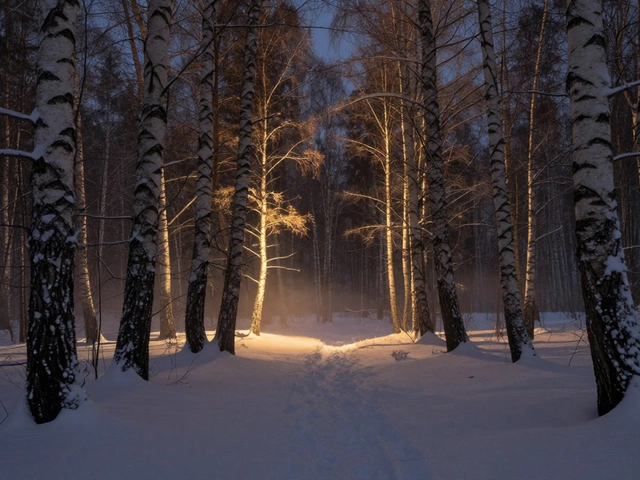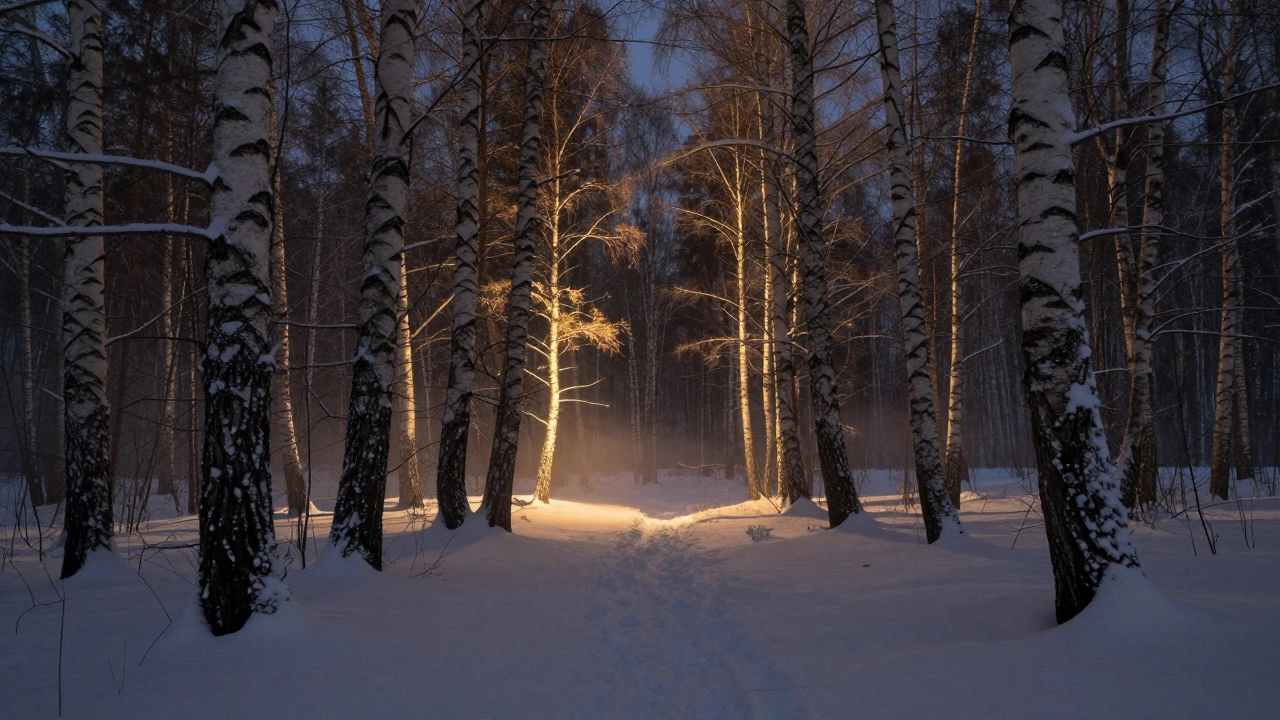
Russia isn't just a country on a map-it's a land where snow-covered forests whisper ancient tales, where golden domes catch the sun like frozen fire, and where history doesn't sit quietly in textbooks but walks the streets in every cathedral, every ballet, every bitter sip of tea shared in silence. The word "Escort Russian" might sound like a modern phrase, but it points to something far deeper: a culture shaped by emperors and revolutionaries, by Orthodox hymns and Soviet hymns, by myths that still live in the eyes of grandmothers telling stories to grandchildren under wool blankets. This isn't about travel packages or tourist traps. This is about understanding a civilization that survived invasions, famines, and ideological earthquakes-and still sings.
If you've ever wondered why Russian identity feels so layered, it's because it is. One moment you're reading Pushkin, the next you're staring at a mural of a fire-breathing dragon from Slavic folklore. And yes, if you're curious about the more modern side of exotic encounters, you might come across mentions like dubai escorte-a world that exists in stark contrast to the quiet dignity of a Moscow winter morning, yet still reflects the same human need for connection, performance, and escape.
The Roots of Russian Mythology: More Than Just Baba Yaga
When people think of Russian myths, they think of Baba Yaga, the witch who flies in a mortar and eats children. But that’s just the tip of the iceberg. Slavic mythology is a vast, tangled forest of spirits-domovoi who guard your home, rusalki who drown the careless near rivers, and vodyanoy, the water demon with green skin and a fish tail. These weren’t just bedtime stories. They were warnings, moral codes, and explanations for the unexplainable. A bad harvest? The domovoi was angry. A loved one vanished near the lake? The rusalki had claimed them.
Unlike Greek or Norse myths, Slavic myths never had a single written canon. They lived orally, passed down through generations, changing with each telling. That’s why you’ll find different versions in Belarus, Ukraine, and rural Russia. There’s no "official" Baba Yaga. She’s kind in one village, cruel in another. This fluidity reflects the Russian soul itself-resilient, adaptable, and deeply personal.
Culture Through the Lens of Art and Silence
Russian culture doesn’t shout. It breathes. Think of Tchaikovsky’s "Swan Lake"-the music doesn’t just play, it aches. Think of Dostoevsky’s characters, who sit for hours in dim rooms, staring into the fire, wrestling with God, guilt, and meaning. Russians don’t talk to fill silence. They talk to uncover truth. That’s why conversations here can feel heavy, even to those used to small talk.
Even today, you’ll find this in everyday life. A Russian might not smile at a stranger on the subway, but if you’re in trouble, they’ll carry your bags up five flights of stairs without a word. The cultural code is simple: show respect through action, not performance. This contrasts sharply with cultures that prioritize surface charm. In Russia, sincerity is currency.
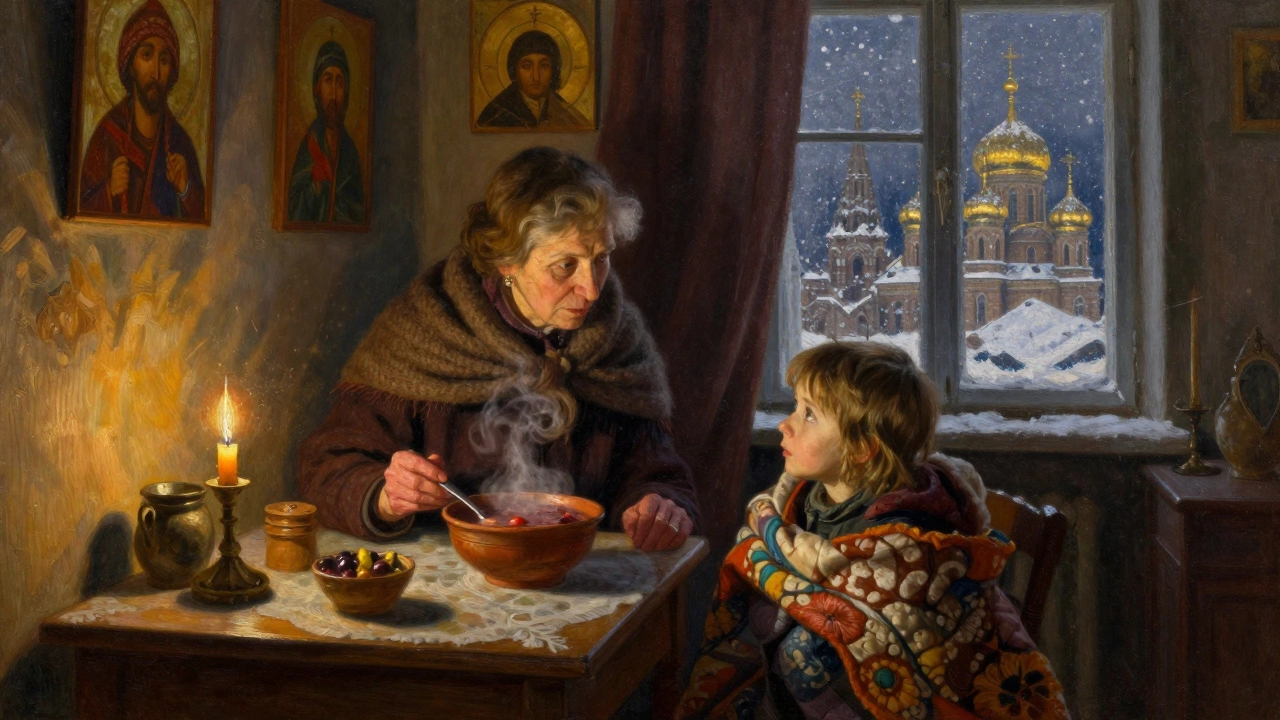
And then there’s the food. Borscht isn’t just soup-it’s a ritual. Pelmeni aren’t just dumplings-they’re made in batches, often with family, and frozen for winter. Eating is communal, slow, and sacred. You don’t rush through a meal. You sit. You listen. You remember.
History That Forged a Nation of Survivors
Russia’s history isn’t a straight line. It’s a series of violent turns. The Mongol yoke lasted 250 years. Ivan the Terrible carved out an empire with blood and paranoia. Peter the Great dragged Russia into Europe by force, cutting beards and building St. Petersburg out of swamps. Then came the Revolution, the Civil War, the Siege of Leningrad, where people ate wallpaper paste and shoe leather to survive.
What did this do to the national psyche? It taught endurance. It taught that hope isn’t loud-it’s quiet. It’s the mother who saves a crust of bread for her child. It’s the soldier who writes a letter home and never mails it. It’s the artist who paints under censorship and hides the canvas under the floorboards.
Today, you see this in the way Russians speak about the past-not with anger, but with a kind of weary acceptance. They don’t glorify suffering. They honor those who carried it.
Modern Russia: Between Tradition and Transformation
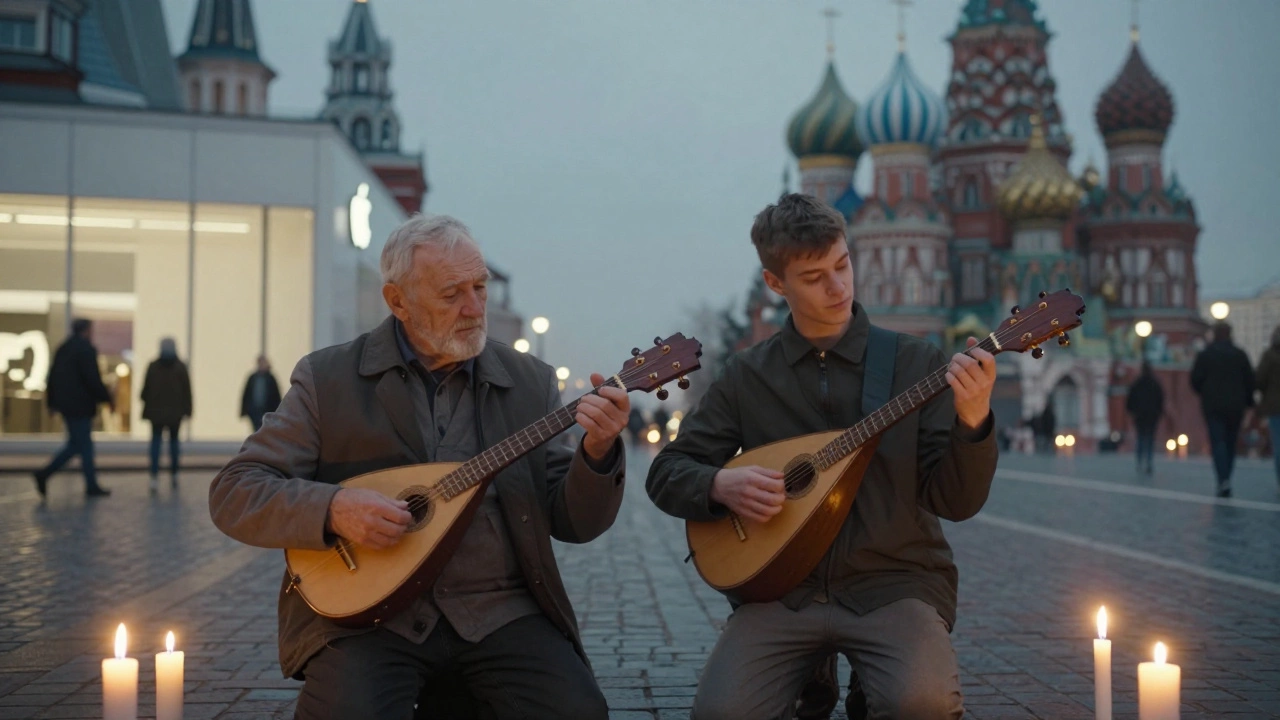
Walk through Moscow today and you’ll see Apple stores next to 18th-century churches. Young people stream K-pop on their phones while their grandparents pray in candlelit chapels. The internet has changed everything, but the old ways haven’t disappeared-they’ve just moved indoors.
There’s a new generation of Russians who travel, who know global trends, who speak English and wear designer jackets. But when they go home for the holidays, they still kneel before icons, still serve blini on Maslenitsa, still cry during "The Cranes Are Flying." Tradition isn’t nostalgia here. It’s identity.
And in this tension-between global and local, between past and present-you find the real Russia. Not the one shown in Western news clips. Not the one reduced to Putin or oligarchs. The real one is in the quiet moments: a student reading Akhmatova on the metro, a grandmother humming an old folk song while knitting, a teenager learning to play the balalaika because her grandfather asked her to.
The Myth of the "Russian Soul"
Westerners often talk about the "Russian soul" like it’s a mystical thing. It’s not. It’s just the result of living in a land where winter lasts half the year, where the earth is vast and unforgiving, where community is survival. The Russian soul isn’t about melancholy-it’s about depth. About holding contradictions. About loving deeply even when trust is hard to earn.
It’s why Russians can be fiercely loyal and brutally honest in the same breath. Why they’ll risk everything for a friend and remain silent when asked about politics. Why they can laugh at absurdity even when they’re hungry.
This isn’t romanticism. It’s realism shaped by geography, history, and survival.
Why This Matters Today
In a world that rewards speed, noise, and surface, Russia offers something rare: a reminder that meaning isn’t found in trends, but in roots. In rituals. In silence. In the way a mother teaches her daughter to braid her hair the same way her grandmother did.
When you hear "Escort Russian," don’t think of service. Think of legacy. Think of a culture that outlasted empires, that turned suffering into song, that still believes in stories-even when the world tries to erase them.
And if you’re looking for a different kind of experience-one that’s more about performance than connection-you might stumble upon something like dubai escorte. But don’t confuse the surface for the substance. One is a transaction. The other is a civilization.
There’s a reason why Russian literature still moves people across continents. Why ballet still brings audiences to tears. Why a simple bowl of borscht can feel like home. Because Russia doesn’t just exist-it endures. And in its endurance, it teaches us how to hold on, even when everything else falls apart.
Sexmodel dubai might trend on social media. Escorte arab might appear in travel forums. But none of them carry the weight of centuries. None of them were forged in the same cold, quiet, unyielding soil.