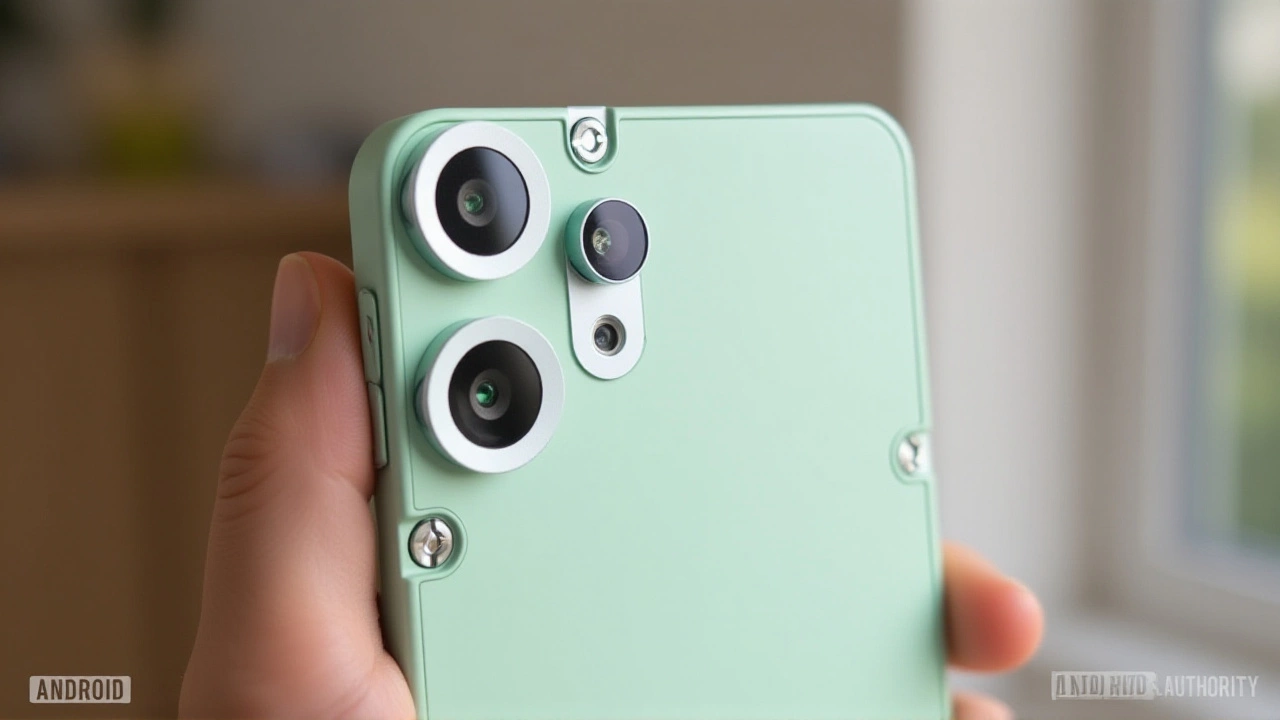
When Nothing Technology Limited pulled the plug on its next budget smartphone this week, it wasn’t because of poor design or lack of interest. It was pure economics. The London-based maker, known for its transparent aesthetic and minimalist ethos, confirmed on June 18, 2026, that it had cancelled an upcoming device under its CMF by Nothing sub-brand. The culprit? A global surge in memory chip costs that made it impossible to build a competitive handset without breaking the bank.
Here’s the thing: you’ve probably never heard of this specific phone because it never officially existed. There was no name, no price tag, and no launch date leaked to the press. But internally, it was real. And now, it’s gone. This decision highlights a growing pain point in the tech industry where even mid-tier players are getting squeezed by forces far bigger than themselves.
The "Difficult Decision" Behind the Scenes
A spokesperson for Nothing told Android Authority that rising dynamic random-access memory (DRAM) prices created a "challenging environment." They didn’t want to ship a phone with less RAM than users deserve, nor did they want to hike the price beyond what budget-conscious consumers would pay.
So, they chose neither. They chose nothing.
This isn’t just about saving face; it’s about brand integrity. Carl Pei, CEO of Nothing Technology Limited, built his company on delivering premium experiences at accessible price points. Compromising on specs for the CMF line—which targets price-sensitive markets like India—would undermine that promise entirely. As the spokesperson noted, releasing a device with lower-than-planned memory capacity would simply not meet their internal performance standards.
Why Memory Costs Are Spiking
To understand why a phone hasn’t been born yet, we have to look at the supply chain. Since 2024, the global memory market has been in turmoil. Industry analysts often refer to this period as "RAMmageddon." Why? Because major manufacturers are shifting production away from consumer devices toward high-margin components for artificial intelligence data centers.
The numbers are staggering. According to analysis from Bacloud, DRAM spot prices nearly tripled year-on-year by the fourth quarter of 2025. By September 2025, year-on-year growth hit almost 187%. If you were trying to buy PC memory kits, a 32GB DDR5-6000 kit jumped from under $95 in mid-2025 to approximately $184 by October—a 94% increase in just a few months.
For smartphone makers, the impact is similar but more insidious. Contract prices for 16Gb DDR5 chips soared from about $6.84 in September 2025 to roughly $27.20 by December. That’s a nearly 300% hike in three months. For a budget phone operating on thin margins, those extra dollars per unit add up quickly, forcing companies to make hard choices.

Impact on the Budget Smartphone Market
Nothing isn’t alone in feeling the pinch, but smaller vendors take the hardest hits. Giants like Samsung or Apple can absorb cost increases through scale or pass them on to loyal customers. Smaller brands, however, operate in a razor-thin margin game.
Research firm International Data Corporation (IDC) warns that the global smartphone market could contract by 2.9% in 2026 under a moderate downside scenario. Average selling prices might rise by 3% to 5%, or even 6% to 8% in a pessimistic outlook. This pressure forces manufacturers to either raise retail prices, cut specs, delay launches, or cancel products altogether.
The CMF by Nothing brand, launched in 2023, was designed to democratize design and software experience at lower prices. Its success relied heavily on aggressive pricing in key markets. Without the ability to source affordable RAM, the economic model for the next CMF phone collapsed before it could even reach the drawing board.

What’s Next for Nothing?
So, does this mean the end of CMF phones? Not necessarily. But don’t expect a quick replacement. Analysts suggest that elevated memory prices could persist well into 2027 or even 2028 until new fabrication capacity comes online. TrendForce predicts DRAM contract prices will rise another 58% to 63% in the second quarter of 2026.
Until then, Nothing will likely focus on its mainline flagship models—the Nothing Phone 2 and Phone 3—where higher price points allow for better absorption of component costs. For fans waiting for a cheaper alternative, the wait may be longer than anticipated. The company has not indicated when it might revisit a similar CMF smartphone, leaving the door open but firmly shut for now.
Frequently Asked Questions
Why did Nothing cancel its next CMF phone?
Nothing cancelled the unannounced CMF phone because soaring DRAM prices made it impossible to include sufficient memory without raising the retail price beyond the brand's budget positioning. The company chose cancellation over compromising on specifications or increasing costs for consumers.
Will there be any other CMF phones in the future?
Nothing has not ruled out future CMF phones, but no timeline has been announced. The decision depends on stabilizing memory chip prices, which analysts predict may remain high through 2026 and potentially into 2027. Any new release would require favorable market conditions.
How much have RAM prices increased recently?
DRAM spot prices nearly tripled year-on-year by late 2025. Specifically, contract prices for 16Gb DDR5 chips jumped from approximately $6.84 in September 2025 to $27.20 by December 2025, representing a nearly 300% increase in just three months due to AI-driven demand.
Does this affect existing Nothing Phone owners?
No, existing owners of Nothing Phone 1, 2, or 3 are unaffected. The cancellation only impacts an unannounced future budget device. Mainline flagship models continue to be sold, though their prices may reflect broader market inflation in component costs.
Who is driving the increase in memory chip costs?
The primary driver is the booming demand for AI data centers, which require massive amounts of high-performance memory. Manufacturers are reallocating production capacity from commodity DRAM used in smartphones to these higher-margin server components, creating a shortage for consumer electronics.